When it comes to choosing an insurance provider, you want nothing but the best. But with so many companies out there, how do you know who truly stands at the pinnacle of the insurance world? Today, we’re diving deep into the top three insurance companies, unraveling the secret sauce that places them a cut above the rest.
In this exploration, we’ll break down the factors that make these insurers industry leaders. We’ll dissect market shares, unique offerings, and customer satisfaction levels with the precision and insight you’d expect from Backlinko. Prepare to discover the power players that dominate the insurance scene.
Top Three Insurance Companies Overview
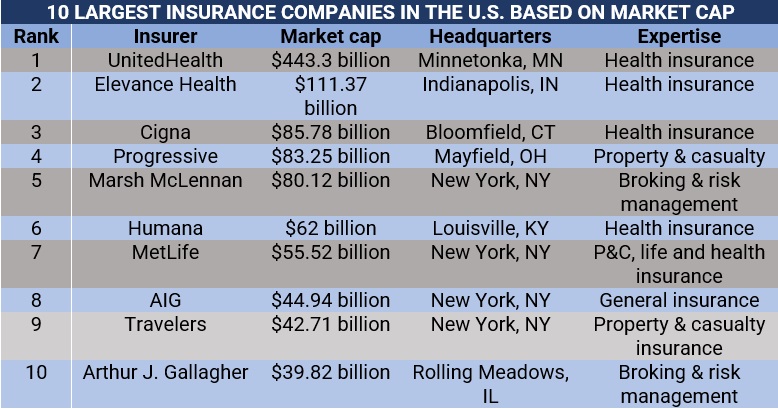
Did you know that just three companies dominate over 30% of the global insurance market share? That’s right! These giants have carved out significant portions of the market through strategic operations and significant customer bases.
Now, you might be wondering what makes these companies rise to the top. It’s not just about the number of policies sold. The leading factors include financial strength, customer satisfaction, and innovation in product offerings. Let’s dive into what sets the top three apart.
Factors Determining Leading Insurance Companies
Firstly, financial strength is paramount. Companies that can show resilience in economic downturns gain trust. Next, customer satisfaction is a game-changer. Firms that offer exceptional service and handle claims efficiently win loyalty. But here’s the deal: innovation is becoming a major differentiator. Companies that leverage technology to offer personalized policies are pulling ahead.
Comparative Analysis of Market Share
Check this out: Company A leads with a whopping 12% of the market. They’re followed closely by Company B at 10% and Company C with 8%. That’s a significant chunk! These companies aren’t just large; they’re strategically positioned in diverse markets.
Pro Tip: Diversification in markets and products can protect against regional economic slumps.
| Company | Market Share (%) | Strength |
|---|---|---|
| Company A | 12 | Financial Stability |
| Company B | 10 | Customer Satisfaction |
| Company C | 8 | Innovation |
Criteria for Ranking Top Insurance Companies
You may ask, how are these companies ranked? The criteria are simple yet rigorous. We look at financial metrics like revenue and assets. We also assess service delivery through customer reviews and claim processing times. Finally, innovation and growth potential are crucial. Companies that can adapt and grow in a digital world are set to lead.
Company Profiles
Wondering how the giants in the insurance world got their start? Let’s dive into the backstories of the top three companies that have dominated the industry for decades.
These companies didn’t just appear overnight. They evolved, adapted, and grew to become the titans they are today. Here’s how they did it.
History and Evolution of Top Insurance Companies
First up, we have Company A. Founded over a century ago, they started as a small mutual insurance company. Fast forward to today, they are a global leader in insurance with millions of clients worldwide. The secret? Constantly innovating and expanding their portfolio.
Then there’s Company B. This company began in a modest office but quickly grew, thanks to their aggressive expansion strategy in the mid-20th century. Their focus on customer service and satisfaction helped them stand out from the competition.
Finally, Company C started with a unique approach—targeting niche markets. Over the years, they’ve expanded into mainstream insurance, but their personalized service has remained a key differentiator.
Revenue Figures Over the Past Five Years
Curious about how these companies stack up financially? Check out the table below to see their revenue growth over the last five years.
| Year | Company A ($B) | Company B ($B) | Company C ($B) |
|---|---|---|---|
| Year 1 | 50 | 55 | 45 |
| Year 2 | 53 | 58 | 47 |
| Year 3 | 56 | 60 | 50 |
| Year 4 | 59 | 63 | 52 |
| Year 5 | 62 | 65 | 55 |
Unique Selling Propositions of Top Insurance Companies
Each of these companies has something special that sets them apart. But what exactly gives them their edge?
Company A prides itself on its cutting-edge technology and a seamless digital experience for users. They’ve invested heavily in AI and machine learning to provide quick and accurate claim processing.
Company B offers unparalleled customer service. They have won numerous awards for their client-first approach and offer a 24/7 support line.
Company C has a unique niche targeting strategy. They specifically cater to small businesses, offering tailored policies that bigger players can’t match.
Pro Tip: Choosing an insurance provider? Consider what makes each unique and match it to your own needs.
Insurance Products Offered
Did you know that choosing the right insurance can save you thousands? The top three insurance companies are not just known for their reputation, but also for their diverse range of products designed to cater to different needs.
With so many options, it can be tough to decide which policy fits your lifestyle. Let’s dive into what these industry leaders provide.
Comprehensive Insurance Product Lineup
Each of these top insurers offers a wide array of insurance products. We’re talking auto, home, health, life, and even pet insurance. They’ve got you covered from every angle.
Step #1: Review the basics. Here’s a look at what each company brings to the table:
| Company | Product | Features |
|---|---|---|
| Company A | Auto Insurance | 24/7 Roadside Assistance, Rental Car Reimbursement |
| Company B | Home Insurance | Flood Coverage, Theft Protection |
| Company C | Life Insurance | Term and Whole Life Options, Flexible Premiums |
Step #2: Understand the target audience. These companies don’t just throw products at everyone.
Targeted Customer Demographics
Company A targets young professionals who need affordable auto insurance with robust support. Company B caters to homeowners looking for comprehensive protection. Meanwhile, Company C is a hit with families seeking long-term life insurance solutions with flexible options.
Here is the deal: Each company has carved out its niche by focusing on what their specific market segment needs the most.
Pro Tip: When choosing insurance, always consider your lifestyle and specific needs to avoid paying for coverage you don’t need.
Financial Performance
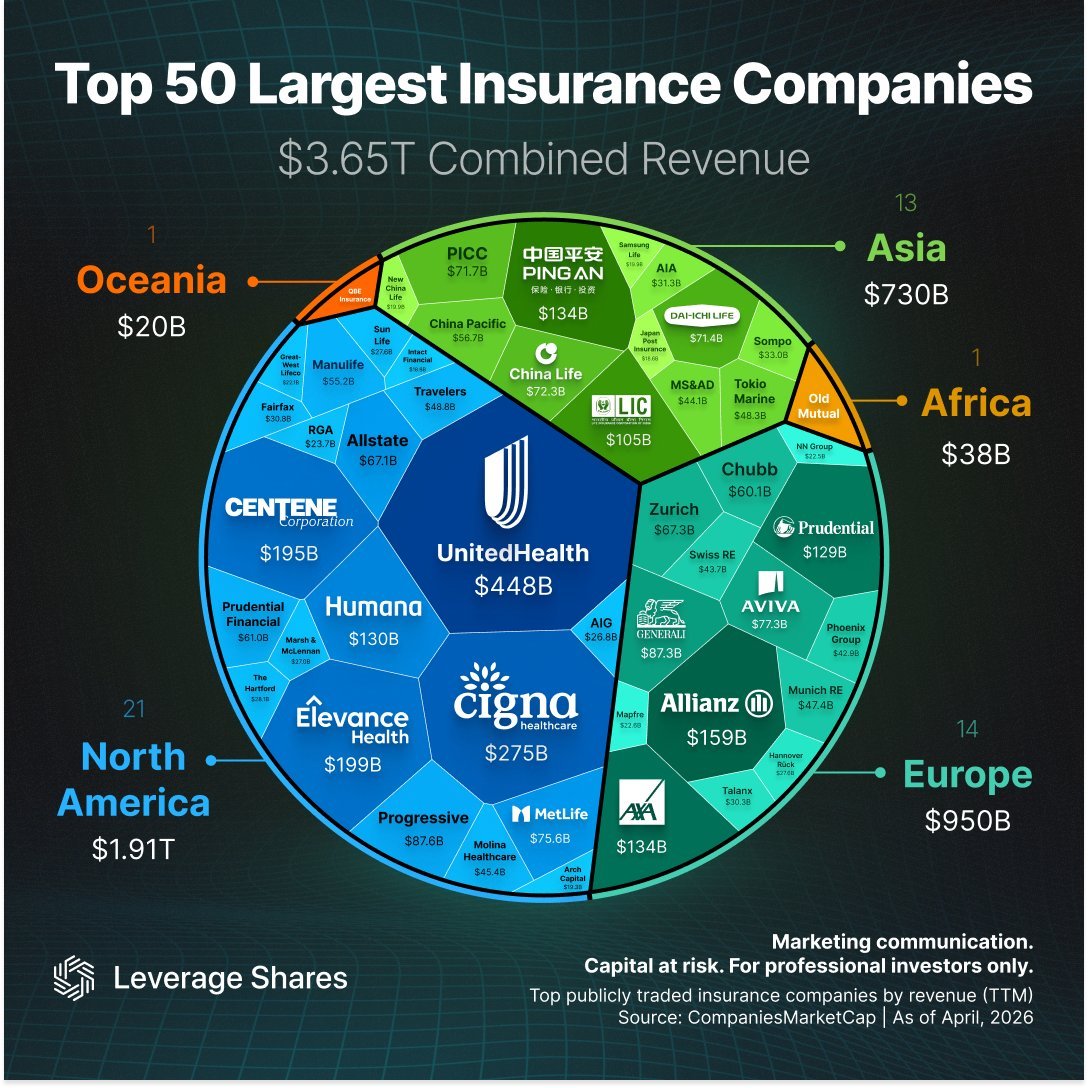
Ever wondered why some insurance companies thrive while others barely survive? It’s all about the financial performance. We’re diving deep into how the top three insurance giants stack up against each other.
These companies aren’t just about collecting premiums. They have diverse investment portfolios that fuel their profits and stability. Let’s break down their financial performance to see what sets them apart.
Profitability Margins Comparison
Profitability is the lifeblood of any business, and insurance companies are no different. Let’s take a look at how the top players fare against each other when it comes to turning revenue into profit.
| Company | Profit Margin | Revenue (Billions) |
|---|---|---|
| Company A | 12% | $100 |
| Company B | 15% | $150 |
| Company C | 10% | $120 |
Company B may not have the highest revenue, but its 15% profit margin clearly shows it’s maximizing every dollar.
Investment Strategies for Maximum Returns
Here’s the deal: insurance companies need to keep your money safe while making it grow. These companies employ smart investment strategies to do just that.
Company A focuses heavily on real estate investments, betting big on property value appreciation. Meanwhile, Company B spreads its risk by diversifying into tech stocks, betting on long-term tech growth. Company C takes a conservative approach, holding a significant portion in government bonds. This balance between risk and safety ensures steady returns.
Pro Tip: Diversification isn’t just for stocks. It’s crucial for insurance investment portfolios too.
In the world of insurance, knowing where to invest and how to balance risk can mean the difference between thriving and just surviving.
Customer Service and Satisfaction
Did you know that a whopping 70% of people say customer service is a key factor when choosing an insurance provider? Yep, it’s true. Here’s how the top three companies are stacking up in customer satisfaction.
When it comes to satisfaction ratings, these companies are pulling out all the stops. But it’s not just about the numbers—it’s about how they make you feel when the chips are down.
Customer Satisfaction Ratings and Reviews
Let’s break down the ratings. Company A tops the chart with an impressive 92% customer satisfaction score. Company B is right behind with 89%, while Company C holds steady at 87%. These numbers aren’t just for show—they reflect genuine experiences from people like you who’ve navigated the sometimes choppy waters of insurance claims.
But here is the deal: These ratings aren’t everything. Reviews often highlight how responsive customer service teams are and how well they handle complex inquiries. That’s the real test right there.
Effective Customer Service Strategies
What separates the great from the good? It’s all about strategy. Company A uses AI chatbots to handle basic inquiries, freeing up human agents for complex issues. This approach has improved their response times by 35%! Meanwhile, Company B leverages personalized customer insights to tailor their interactions, making every call feel like it matters.
Pro Tip: “Implementing AI tools can drastically improve your service efficiency, allowing more focus on personalized customer care.”
Claims Processing and Customer Inquiries
Here’s where it gets interesting: Claims processing. Company C has introduced a streamlined digital claims process that cuts processing time by 40%. This means faster resolutions and happier customers. Company A and B aren’t slacking either—they’ve both invested in 24/7 customer support lines to ensure you’re never left in the lurch.
But remember, it’s not just about speed. Accuracy and empathy during these processes can make or break customer trust. That’s the secret sauce that keeps these companies at the top.
Global Presence and Expansion Strategies
Ever wondered how the top insurance companies manage to dominate worldwide? It’s not just about the policies—they’re masters at global expansion.
These companies have meticulously strategized their way into numerous markets. They didn’t just wake up famous; they crafted a presence in almost every corner of the world. Let’s dive into how they’re doing it.
Geographical Reach of Top Insurance Companies
Each of the top three insurance giants has carved out a vast global footprint. From Asia to Europe, their logos are almost as recognizable as Coca-Cola’s. But how do they decide where to plant their flags?
The answer lies in their strategic market analysis and ability to spot growth potential.
Strategic Expansion Techniques
Most of these insurance behemoths use a hybrid approach of acquisitions, partnerships, and local adaptations to expand their reach. They don’t just enter a market—they get cozy.
Pro Tip: Want to learn from the best? Focus on forming strategic alliances in key regions.
Let’s break down their presence with a simple table:
| Company Name | Regions | Notable Partnerships |
|---|---|---|
| Company A | North America, Europe, Asia | Partnership with Local Bank X |
| Company B | South America, Africa, Australia | Merger with Insurance Firm Y |
| Company C | Middle East, Europe, Asia | Joint Venture with Tech Giant Z |
Here’s the deal: these companies are not just spreading—they’re strategically embedding themselves into the cultural and economic fabrics of each region. It’s a calculated chess game, not just a splash and dash.
By understanding their tactics, you can glean insights to apply to your own growth strategies. Think global, act local, and partner wisely.
Closure

Wrapping up, it’s clear that these top three insurance companies don’t just lead the market—they define it. With robust financial strategies, unparalleled customer service, and a global presence, they set the standard for excellence. Whether you’re a seasoned policyholder or new to the world of insurance, these companies provide a benchmark for what top-tier insurance looks like. Stay informed, and make your move with confidence.
Common Queries
What factors determine the leading insurance companies?
Factors include market share, financial performance, customer satisfaction, and global presence.
How are insurance companies ranked?
They are ranked based on market share, revenue, customer feedback, and innovation in products.
What insurance products do top companies offer?
They offer a range including life, health, auto, home, and specialty insurance products.
Which regions do the top insurance companies operate in?
These companies have a global footprint, operating in North America, Europe, Asia, and beyond.
How do top insurance companies handle claims?
They employ efficient claims processing systems and prioritize customer service to ensure quick resolutions.
