Understanding Errors and Omissions Insurance in Washington State: A Comprehensive Guide

If you’re a professional in Washington State, one of the smartest business moves you can make is to secure errors and omissions (E&O) insurance. This isn’t just another line item on your budget; think of it as your safety net, ensuring that if a mistake happens, it won’t result in a catastrophic financial loss. Whether you’re a consultant, real estate agent, or any other professional offering expert advice, E&O insurance is your shield against potential lawsuits and claims.
Picture this: you’re delivering your best work, but a client suddenly claims your advice led to a financial downturn. Without E&O insurance, you’d be on the hook for legal fees and possible settlements. Trust me, having this coverage in your back pocket is like having an umbrella in Seattle—it’s indispensable. In this guide, we’ll break down everything you need to know about E&O insurance in Washington State, helping you make informed decisions with confidence.
Understanding Errors and Omissions Insurance in Washington State
Think you’re immune to lawsuits? Think again. In Washington State, businesses face numerous risks every day. That’s where Errors and Omissions Insurance comes in.
Errors and Omissions Insurance, often called E&O, is a must-have for professionals who provide advice or services. It protects you from claims related to mistakes or negligence. Without it, one small error could lead to a financial disaster.
Why Errors and Omissions Insurance is Crucial in Washington
Washington is a diverse state with a booming tech and business sector. If you’re advising clients or handling sensitive data, you’re at risk of being sued for negligence. And let’s face it, even the best professionals make mistakes. E&O insurance is your safety net.
For example, a software developer in Seattle might inadvertently release a buggy update that costs a client thousands. Without E&O insurance, that developer could be on the hook for those losses. This coverage ensures you don’t have to pay out of pocket.
Coverage Details of Errors and Omissions Insurance
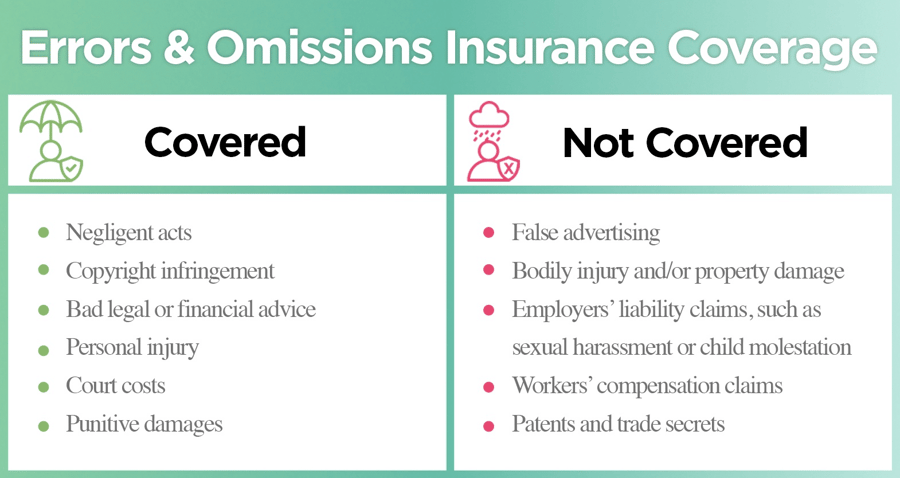
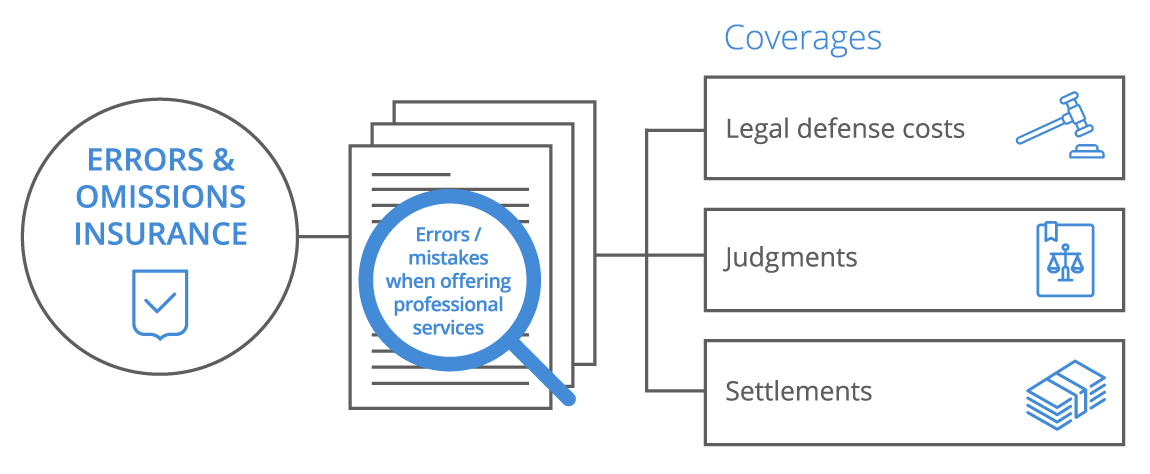
So, what does E&O insurance actually cover in Washington? Here is the deal: It typically covers legal fees, settlements, and court costs if someone claims your work caused them financial harm. This includes errors, omissions, and even alleged negligence.
But that’s not all. If you’re a real estate agent or financial advisor, E&O insurance might also cover defamation or breach of contract claims. Essentially, it provides a comprehensive shield against professional mishaps.
Pro Tip: Regularly review your policy to ensure it covers all your services and any new risks as your business grows.
Still unsure if you need E&O insurance? Let’s break it down:
- If you provide any type of consulting or advice, you need it.
- If you handle client data, it’s a must-have.
- If clients rely on your expertise, don’t skip E&O coverage.
In short, if there’s any chance your mistake could cost someone money, E&O insurance isn’t just a good idea—it’s essential.
Regulations and Requirements
Did you know that not having the right insurance could leave your business exposed to massive legal costs? In Washington State, errors and omissions insurance is a must-have for many professionals. But what exactly are the regulations you need to be aware of?
Here is the deal: Washington State has specific laws that govern how errors and omissions (E&O) insurance is structured and implemented. Understanding these requirements can mean the difference between being fully protected and finding yourself in hot water.
Understanding Washington’s E&O Insurance Regulations
In Washington State, E&O insurance is regulated by the Washington State Office of the Insurance Commissioner. This body ensures that insurance providers comply with state laws, safeguarding you from fraudulent practices. The regulations require that your policy meets certain standards, ensuring adequate coverage for potential claims. You need to ensure that your policy is both comprehensive and compliant with these regulations.
Mandatory Requirements for Obtaining E&O Insurance
Every profession has its own set of requirements when it comes to E&O insurance. For instance, real estate agents and brokers are required to carry E&O insurance as a condition of their license. You need to have at least the minimum coverage specified by your profession’s regulatory body. Make sure to review specific guidelines and ensure compliance before you proceed.
Getting Insured Under Washington State Laws
The process of obtaining E&O insurance in Washington State isn’t as daunting as it might seem. Step #1: Identify your industry’s specific requirements. Step #2: Choose a licensed insurance provider familiar with Washington State regulations. Step #3: Work with them to customize a policy that fits your unique needs. By following these steps, you can secure coverage that not only protects but also complies with local laws.
Pro Tip: Always verify that your chosen provider is authorized to operate in Washington State. This ensures your policy is valid and recognized.
Benefits of Errors and Omissions Insurance
Did you know that a single lawsuit can wipe out a small business overnight? Yikes! That’s where Errors and Omissions (E&O) Insurance comes into play. It’s like a safety net for your business, especially in Washington State.
Having E&O insurance isn’t just a luxury; it’s a necessity for many professionals. Whether you’re an architect, consultant, or real estate agent, this coverage shields you from legal claims that could arise from mistakes or negligence in the services you provide. Here’s the deal: one missed detail or oversight could lead to a financial catastrophe. But with the right insurance, you’re covered.
Protection for Various Professions
Washington State is home to a diverse range of professionals who benefit immensely from E&O insurance. Imagine an architect who miscalculates the load-bearing capacity of a structure. Without insurance, they could face costly legal battles to rectify the mistake. Or consider a real estate agent who inadvertently provides incorrect information, leading to a client’s financial loss. In these cases, E&O insurance acts as a financial buffer.
Pro Tip: Always check if your policy covers industry-specific risks.
Real-Life Scenarios Where E&O Insurance Saves the Day
Let’s break it down further with some real-world examples:
- A financial advisor provides inaccurate investment advice. Result? The client sues for financial damages.
- A tech consultant fails to configure a client’s network correctly, leading to a data breach.
- An interior designer overlooks a vital safety regulation, causing project delays and legal claims.
Advantages of Having Errors and Omissions Insurance
Here’s why every professional should consider E&O insurance:
- Financial Protection: Covers legal costs and settlements that could otherwise devastate your business.
- Peace of Mind: Focus on your work without the constant worry of potential lawsuits.
- Client Trust: Shows clients you’re prepared and responsible, building their trust in your services.
- Compliance: Some industries require E&O insurance as part of their professional standards.
Choosing the Right Provider
Ever wondered why some businesses thrive while others barely survive? One reason could be the right errors and omissions insurance provider. In Washington State, picking the right provider can mean the difference between resilience and disaster.
The insurance landscape is complex. A multitude of providers offer varying levels of coverage and pricing. But how do you choose the one that’s right for you?
Comparing Providers, Coverage Options, and Pricing
Here’s the deal: it’s not just about price. When comparing providers, you need to dig into the details of their coverage options. To simplify your search, here’s a table to give you a clear picture of your options in Washington State.
| Provider | Coverage Options | Pricing |
|---|---|---|
| ABC Insurance | Basic, Comprehensive, Custom | $500-$1500/year |
| XYZ Coverage | Standard, Premium | $600-$1300/year |
| Secure Safe | Essential, All-Inclusive | $550-$1400/year |
Evaluating and Choosing the Best Policy
Step #1: Set your priorities. Are you looking for cost-efficiency or comprehensive coverage? Identify your business risks to determine which coverage level fits you best. Step #2: Examine the provider’s reputation and customer service. A great deal isn’t great if the service is lacking.
Step #3: Compare the deductibles and limits. High limits with low deductibles can save you in the long run. Don’t just look at the premium costs.
Pro Tip: “Always read the fine print. Some policies might exclude crucial services that your business relies on.”
Finally, don’t rush the decision. A hasty choice can mean inadequate coverage when it matters most. Take your time, double-check each provider, and select the one that offers the best balance of cost and coverage for your business.
Claims Process and Management

Did you know that over 40% of small business owners don’t fully understand their insurance policies? Filing an Errors and Omissions (E&O) claim in Washington State doesn’t have to be a mystery. I’ll walk you through the steps to ensure a smooth and successful process.
Here’s the deal: you need to know your policy inside out before you can navigate the claims process. From understanding the terms to keeping accurate documentation, each step is crucial. Let’s dive into how you can manage claims like a pro.
Filing a Claim Under an Errors and Omissions Policy
First things first, notify your insurer as soon as you become aware of a potential claim. Timing is crucial here. Delays can lead to complications and possibly even denial of your claim.
- Review your policy to understand coverage limits and exclusions.
- Gather all evidence related to the claim, including emails, contracts, and communications.
- Submit a written notice to your insurer with all necessary documentation.
- Follow up regularly to ensure your claim is being processed. Persistence pays off.
Pro Tip: Make sure to keep a detailed record of all communications with your insurer. This can be invaluable if there are any disputes later on.
Managing and Resolving Disputes with Insurers
Disputes can arise, but they don’t have to turn into nightmares. It’s all about effective communication and documentation. Here’s how you can manage disputes like a seasoned negotiator:
- Identify the source of the dispute clearly. Is it a coverage issue or a claim handling issue?
- Provide additional documentation if required. Always be ready to back up your claims with proof.
- Engage in open dialogue with your insurer to understand their perspective.
- If needed, escalate the issue to a higher authority within the company or consider independent arbitration.
Remember, staying calm and collected during any dispute process is key. A clear mind helps in negotiating better outcomes.
Steps for Ensuring a Successful Claims Process
The key to ensuring a smooth claims process lies in being proactive. Here’s your roadmap:
- Start early: As soon as an incident occurs, begin gathering evidence and notifying parties involved.
- Stay organized: Keep all documentation, including claim forms, correspondence, and evidence in one place.
- Communicate effectively: Be concise and clear in all communications with your insurer.
- Follow up: Regularly check in on the status of your claim to prevent unnecessary delays.
- Seek professional help if needed: Sometimes, hiring a claims consultant can help you navigate complex issues.
By following these steps, you’ll be in a strong position to handle any E&O claims that come your way with confidence.
Case Studies and Examples
Ever wondered how important Errors and Omissions Insurance can be for businesses in Washington State? Let’s dive into real-world cases to see the impact this insurance can have. These stories will give you a firsthand look at how companies have navigated claims and the peace of mind they’ve gained.
In the bustling world of Washington State businesses, errors and omissions insurance is not just a safety net—it’s a lifeline. Whether you’re a tech firm or a real estate agent, the unexpected can strike at any moment. BUT, having the right coverage can make all the difference. Here are some detailed case studies to help you understand just how crucial this insurance is.
Tech Startup’s Data Breach Crisis
One Seattle-based tech startup faced a massive data breach that exposed sensitive client information. The fallout could have been catastrophic, with potential legal fees and compensation costs soaring into six figures. However, their errors and omissions insurance stepped in to cover the costs, allowing the startup to stabilize and rebound quickly.
“Without our E&O insurance, we would’ve faced financial ruin. It was our safety net during the crisis.” – Tech Startup CEO
Real Estate Agent’s Contract Mishap
A high-profile real estate agent in Bellevue experienced a contract error that almost led to a significant sale falling through. With the help of their E&O policy, they covered the legal fees and settled the issue amicably, preserving both their reputation and their client’s trust.
Consultancy Firm’s Advice Backfire
A consultancy firm in Spokane gave advice that inadvertently led to a client’s financial loss. Instead of a lengthy courtroom battle, their errors and omissions coverage allowed them to settle swiftly and maintain a good relationship with the client. This case highlights the importance of having a robust policy in place.
“Our E&O insurance turned what could have been a nightmare into a manageable situation. We can’t imagine operating without it.” – Consultancy Firm Owner
These case studies show the extensive benefits of errors and omissions insurance. Step #1: Assess your risk exposure and Step #2: Choose a policy that fits your business needs. Don’t wait until it’s too late to get covered.
Summary
In the ever-evolving professional landscape of Washington State, having errors and omissions insurance isn’t just a choice—it’s a necessity. Protect your business, your reputation, and your peace of mind by understanding the ins and outs of this essential coverage. Choose wisely, stay informed, and let this guide be your roadmap to safeguarding your professional journey.
FAQ Section
What is errors and omissions insurance?
Errors and omissions insurance is a type of professional liability insurance that protects businesses and individuals against claims of inadequate work or negligent actions.
Why is E&O insurance important for professionals in Washington State?
E&O insurance is crucial because it helps cover legal costs and settlements that can occur if a client claims your professional service caused them a financial loss.
What does E&O insurance cover in Washington State?
This insurance typically covers legal defense costs, settlements, and judgments related to errors, omissions, or negligence in professional services.
Are there specific regulations for E&O insurance in Washington State?
Yes, Washington State has specific regulations governing the requirements and processes for obtaining E&O insurance, including mandatory coverage for certain professions.
How can I choose the right E&O insurance provider in Washington?
Choose a provider by comparing coverage options, pricing, and customer reviews. Look for a provider with a good reputation for handling claims efficiently.
What is the process for filing a claim with E&O insurance?
The claims process involves notifying your insurance provider of the issue, providing necessary documentation, and working with them to resolve the claim efficiently.