Starting a small business is like embarking on an exhilarating rollercoaster ride. You’ve got the thrill of new opportunities, the adrenaline rush of challenges, and the satisfaction of building something meaningful. But just like you’d wear a seatbelt on a real rollercoaster, your business needs a safety net in the form of insurance. Why? Because while you’re busy turning dreams into reality, you also need to protect them.
Insurance might not be the most glamorous part of entrepreneurship, but it’s undoubtedly one of the most critical. Whether it’s shielding your business from unforeseen liabilities or ensuring you bounce back from disruptions, understanding the ins and outs of small business insurance can make a world of difference. In this guide, we’ll unravel the mystery behind the three core types of small business insurance that every entrepreneur should keep on their radar.
Understanding Small Business Insurance
Did you know that 40% of small businesses have no insurance coverage? That’s a recipe for disaster. Let’s dive into why having the right insurance is crucial.
When you’re running a small business, you’re juggling a million things. And insurance might not be at the top of your list. But here’s the deal: without it, you’re risking everything you’ve worked so hard to build.
Types of Small Business Insurance
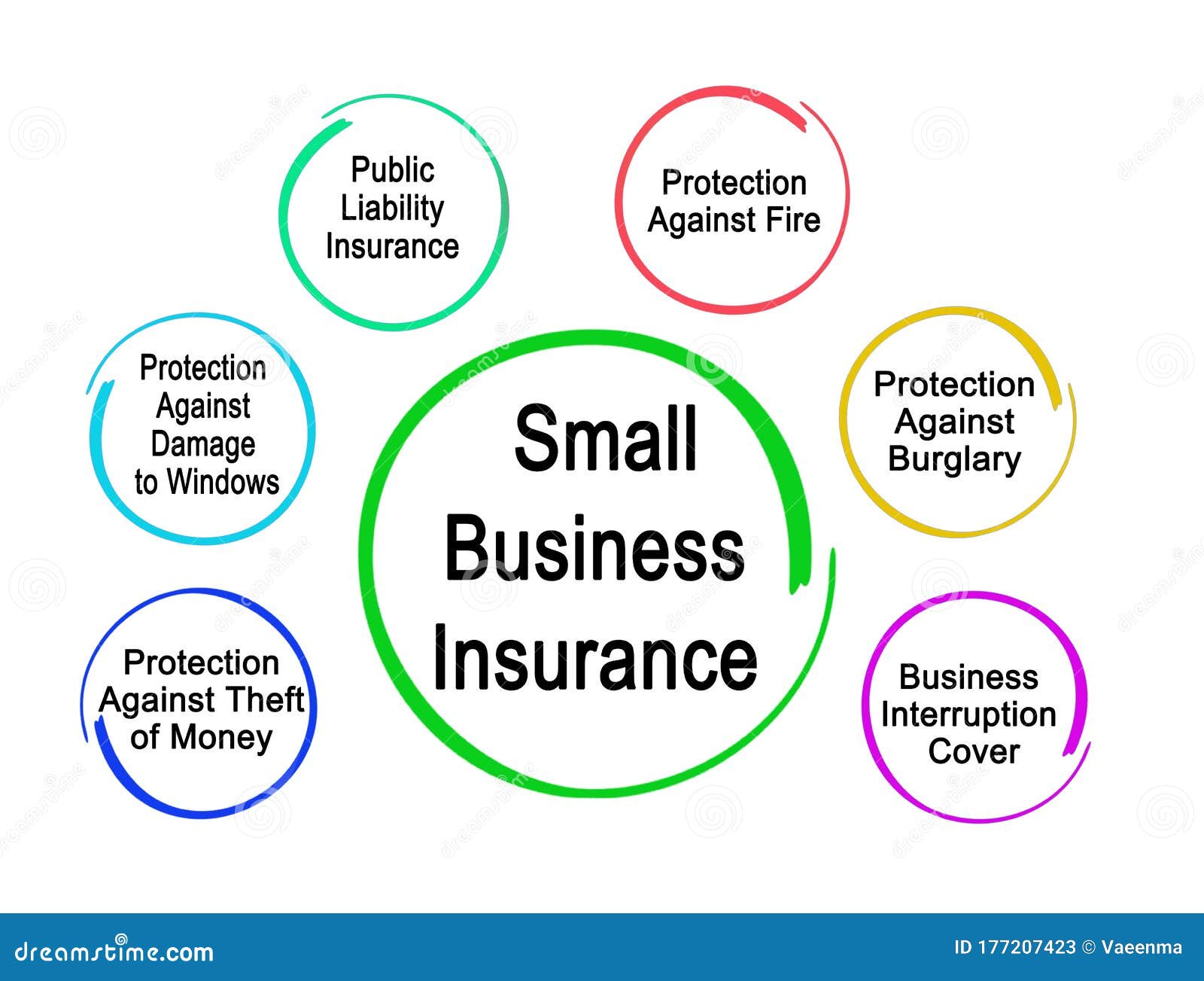
The right type of insurance can be a lifesaver. From general liability to property insurance, each serves a different purpose. For instance, general liability insurance protects against lawsuits, while property insurance covers physical damage.
Don’t forget about business interruption insurance. When disasters strike, your business could be on pause for weeks. This type of insurance helps cover lost income. Which one does your business need first?
Basic Components of a Small Business Insurance Policy
Insurance policies can be confusing, but breaking them down makes it easier. At its core, a policy includes the premium, the amount you pay regularly. Then there’s the deductible, what you pay out-of-pocket before insurance kicks in.
Policies also have limits—the max they’ll pay out. Understanding these components helps you choose a policy that fits your business needs perfectly.
The Role of an Insurance Agent in Customizing Policies
An insurance agent isn’t just a salesperson. They’re a guide. They help tailor policies to your specific needs. Imagine trying to fit into a one-size-fits-all policy. It just doesn’t work.
Pro Tip: Always ask your agent for a breakdown of what’s covered and what’s not. Surprises are the last thing you want in an insurance policy.
Agents also help you navigate the fine print and make sure you’re not overpaying. With their expertise, you can focus on what you love—running your business.
Types of Insurance Coverage for Small Businesses

Did you know that 40% of small businesses will experience a liability claim in the next 10 years? Insurance isn’t just a safety net—it’s a necessity.
Without the right coverage, a single incident could spell disaster for your business. Let’s dive into the types of insurance you can’t afford to skip.
Understanding General Liability and Professional Liability Insurance
First up is General Liability Insurance. This covers the basics: bodily injury, property damage, and advertising injury claims. If a customer slips and falls at your place of business, general liability has you covered.
But what about Professional Liability Insurance? This is crucial if you’re in a service-based business. Imagine giving advice that costs your client thousands. Professional liability steps in to protect you from claims of negligence.
Here’s the deal: General liability is about physical risks, while professional liability covers the intangibles. Choose wisely based on your industry needs.
When Business Interruption Insurance is Crucial
Ever considered what would happen if a fire forced you to close shop? Business Interruption Insurance replaces lost income during such disasters. It’s not just about the building—it’s about keeping your business alive while you rebound.
Pro Tip: If your business is in an area prone to natural disasters, this insurance is a lifeline.
| Type | Coverage | Who Needs It | Benefits |
|---|---|---|---|
| General Liability Insurance | Bodily injury, property damage, advertising injury | All businesses with a physical presence | Protection from unexpected accidents and legal fees |
| Professional Liability Insurance | Negligence, misrepresentation, inaccurate advice | Service-based businesses | Safeguards against professional mistakes |
| Business Interruption Insurance | Lost income due to disasters | Businesses in high-risk areas | Ensures continuity and recovery during outages |
Cost Factors of Small Business Insurance
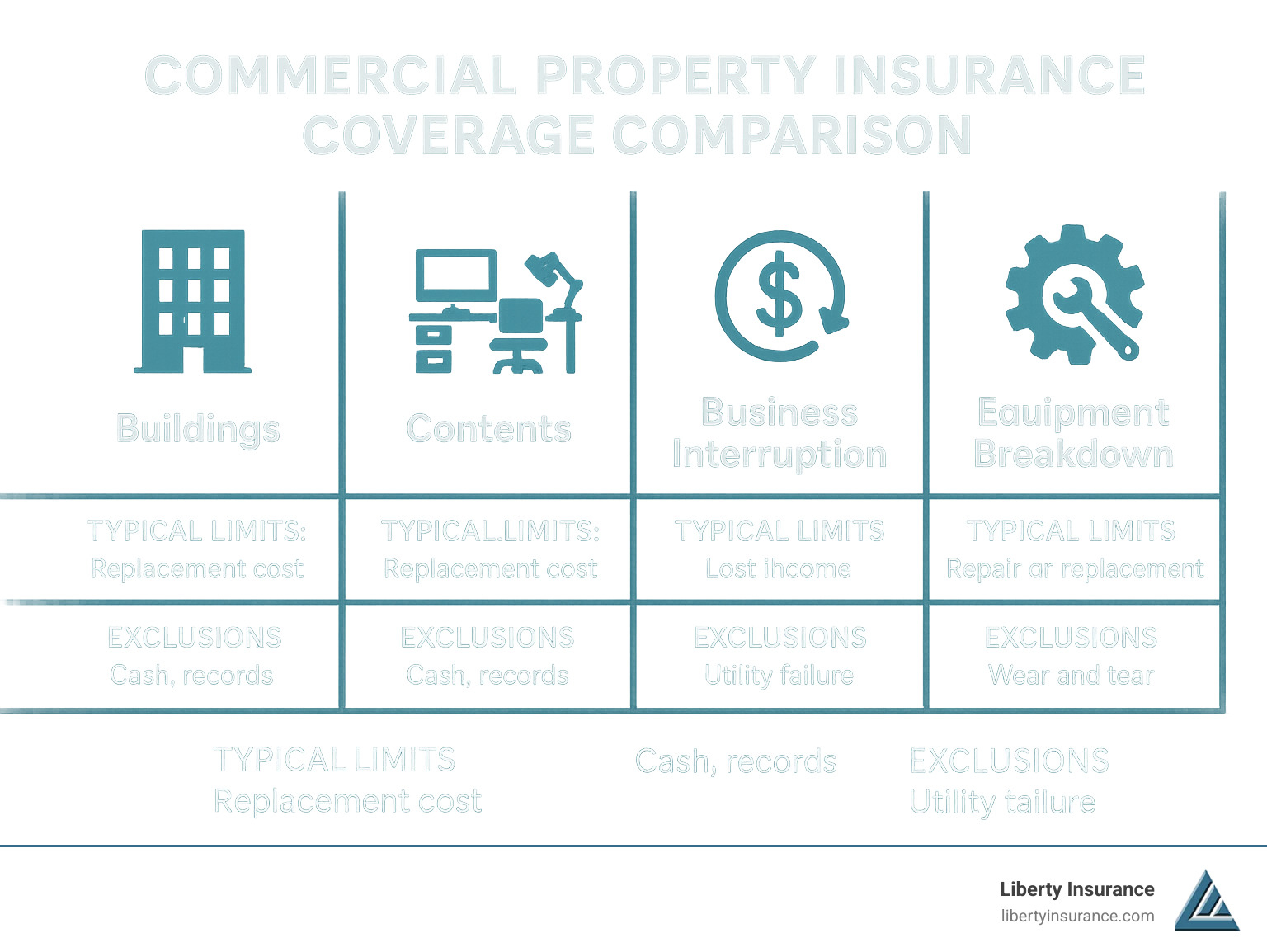
Did you know that the average small business spends around $1,200 per year on insurance premiums? That might sound steep, but understanding the cost factors can help you navigate these waters with ease.
Insurance premiums aren’t just plucked from thin air. They’re calculated using a mix of factors including the nature of your business, its location, and your claims history. Let’s dig deeper into how these costs stack up and what you can do to keep them in check.
Factors Affecting Insurance Premium Rates
Insurance companies consider several variables before setting your premium rate. If you’re in a high-risk industry, expect higher costs. But, that’s not the only thing that matters. Where your business is located plays a big role too. A business in a hurricane-prone area? Cha-ching! Expect to pay more.
Your claims history is another crucial factor. Here is the deal: a spotless record could save you serious cash. On the flip side, frequent claims? That’s a red flag for insurers.
Methods to Lower Insurance Costs for Small Businesses
Want to cut those insurance costs? You’re in luck. There are strategies you can use to make those premiums more affordable. Implementing risk management practices and increasing your deductible can save you money. Here’s how you do it:
- Bundle different policies for a discount.
- Increase your deductible to lower your premium.
- Invest in a risk management program.
- Regularly review and update your coverage to avoid over-insuring.
Pro Tip: Shopping around for quotes from different insurers can save you up to 20% on premiums.
How Business Type and Location Influence Insurance Needs
The type of business you’re running determines what kind of coverage you need. A construction company? You’ll need more liability coverage. A tech startup? Cyber liability might be important.
Location adds another layer. A coastal business might need flood insurance, while one in Tornado Alley should consider windstorm coverage. Understanding how these factors interplay can help tailor your insurance to your business’s unique needs.
Legal and Regulatory Requirements
Did you know that failing to understand the legal requirements for small business insurance could cost you thousands? Many business owners assume they’re covered, but state-specific mandates can catch them off guard.
The legal landscape for small business insurance varies widely across states. Some states enforce stringent policies while others are more relaxed. But here’s the deal: ignoring these requirements can lead to severe penalties!
State-Specific Insurance Mandates
Each state in the U.S. has its own set of rules when it comes to mandatory business insurance. For example, workers’ compensation is a must in almost every state if you have employees. On the other hand, some states might require specific liability insurance depending on the industry. You can’t just assume your current policy has you covered everywhere.
Industries with Mandatory Insurance Policies
Certain industries are under the microscope when it comes to insurance compliance. If you’re in healthcare, construction, or hospitality, you likely have industry-specific insurance obligations. These requirements ensure safety and protect against potential lawsuits. Skipping these can mean you’re not just facing fines, but also risking personal liability.
Case Study: A construction company in Florida was fined $10,000 for not having the required workers’ comp insurance. The owner thought having a general liability policy was enough, but it wasn’t!
Consequences of Non-Compliance with Insurance Laws
The penalties for not adhering to insurance laws can be harsh. We’re talking about fines, business license suspension, or even being shut down. AND, if an incident occurs, you could be held personally liable. That’s a risk you don’t want to take.
Pro Tip: Always stay updated with your state’s insurance requirements and consult with an expert to avoid costly mistakes!
Selecting the Right Insurance Provider
It’s a jungle out there when it comes to picking an insurance provider for your small business. Are you ready to navigate it? The stakes are high because the wrong choice could cost you big time.
Choosing the right provider isn’t just about finding the cheapest deal. You need to evaluate what they offer, understand their terms, and make sure they’re reliable. Let’s dive into how you can confidently make the best decision.
Evaluating Small Business Insurance Providers
Before you sign on the dotted line, you need a game plan. Start by checking the financial stability of the provider. A provider’s financial health is crucial because you need them to be around when you have a claim.
Comparing Services and Coverage Options
Not all insurance offerings are created equal. You should compare what each provider offers in terms of coverage options, customer service, and additional benefits.
| Provider | Coverage Options | Customer Service | Additional Benefits |
|---|---|---|---|
| Provider A | General Liability, Property | 24/7 Support | Discounts for Bundling |
| Provider B | Workers Compensation, Vehicle | Online Chat | Risk Management Tools |
Checklist for Assessing Provider Reliability
Here’s what you need to look for to ensure your provider is worthy of your trust:
- Check their ratings with agencies like A.M. Best or Moody’s.
- Review their claim settlement ratio.
- Ask for references from other businesses.
- Make sure they’re properly licensed in your state.
Guide to Understanding Insurance Terms and Conditions
Insurance jargon can be confusing. You have to know what you’re signing up for. Always read through the terms and conditions with a fine-tooth comb.
Here is the deal: You need to understand the difference between terms like “premium” and “deductible”. If you’re ever in doubt, don’t hesitate to ask your provider for clarification. They should be able to explain in simple terms.
Pro Tip: Always ensure there are no hidden clauses that could surprise you later.
Real-Life Case Studies and Success Stories
Ever wonder how crucial insurance can be for small businesses? Let’s dive into real-life case studies where insurance made all the difference.
Small businesses face numerous risks every day. BUT having the right insurance can be the game-changer that keeps them afloat during tough times.
How Insurance Saved a Bakery from Financial Ruin
Imagine a bustling bakery, “Sweet Crumbs,” known for its irresistible pastries. One day, a fire broke out in their kitchen. Disaster? Not quite. Thanks to their comprehensive property insurance, they received a payout to cover the damages and lost income during repairs. The bakery reopened within weeks, stronger than ever.
Tech Startup Survives Cyber Attack
Meet “Tech Innovators,” a small tech startup that fell victim to a severe cyber attack. Sensitive data was at risk, and potential lawsuits loomed. With cyber liability insurance, they managed to cover the costs of data recovery and legal fees, preventing a major financial setback.
Pro Tip: Always ensure your insurance policy covers specific risks associated with your industry.
Consequences of Skipping Insurance
Not all stories have a happy ending. A local coffee shop, “Brewed Bliss,” decided to cut costs by skipping insurance. A slip-and-fall accident happened on their premises, leading to a costly lawsuit. Without liability insurance, they faced enormous legal expenses, ultimately leading to their closure.
Lessons from Businesses That Neglected Insurance
There’s a critical lesson here: While insurance might seem like an unnecessary expense, it can be a lifesaver when unexpected incidents occur. The businesses that underestimated the importance of insurance often faced insurmountable challenges.
| Business Type | Scenario | Insurance Impact | Outcome |
|---|---|---|---|
| Bakery | Fire Damage | Compensated Damages and Income Loss | Reopened Rapidly |
| Tech Startup | Cyber Attack | Covered Recovery and Legal Fees | Avoided Financial Setback |
| Coffee Shop | Slip-and-Fall Lawsuit | No Insurance | Closed Down |
Closure
As you navigate the dynamic landscape of entrepreneurship, remember that small business insurance isn’t just an expense—it’s an investment in your peace of mind. By choosing the right coverage, you safeguard your efforts, protect your assets, and ensure your business can weather any storm. Armed with the knowledge of the three essential types of insurance, you’re better equipped to make informed decisions that will keep your business thriving for years to come.
Q&A
What are the three main types of small business insurance?
The three main types of small business insurance are general liability insurance, professional liability insurance, and business interruption insurance.
Why is general liability insurance important for small businesses?
General liability insurance is crucial because it protects businesses from claims related to bodily injury, property damage, and advertising injuries.
How does professional liability insurance differ from general liability insurance?
Professional liability insurance covers claims related to errors and omissions in providing professional services, while general liability insurance covers physical and advertising-related claims.
When is business interruption insurance necessary?
Business interruption insurance is vital when your business operations are halted due to unforeseen events like natural disasters, ensuring you can cover lost income.
How can I reduce my small business insurance costs?
You can reduce insurance costs by bundling policies, maintaining a safe workplace, and regularly reviewing your coverage needs with your insurance agent.
